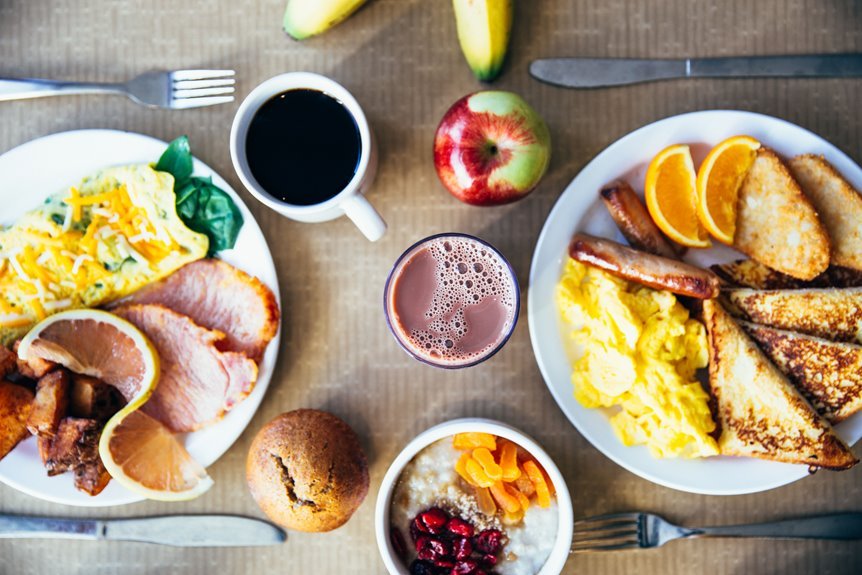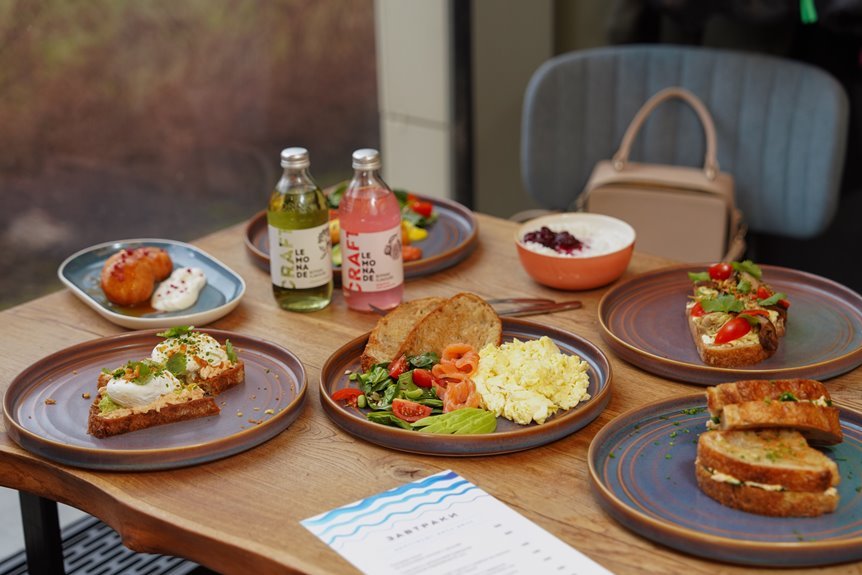
Food Call Houzipantinky invites a careful reckoning of taste as memory and ritual. It maps bold flavors and textures onto a social map, where hosting becomes a deliberate craft and memory turns communal. The approach blends savory storytelling with edible action, shaping identity through shared meals. Yet the pattern remains unsettled, as each dish tests tradition against novelty and invites audiences to question what truly binds a crowd. The next step lies in the spaces where flavor meets belonging.
What Is Food Call Houzipantinky and Why It Matters
What is Food Call Houzipantinky, and why does it matter? It presents a savory framework: a food call that maps houzipantinky origins through a flavor map, spotlighting bold tastes and textures.
It frames edible rituals and hosting tips as tools for crowd pleasers, memory storytelling, and community building, reinforcing cultural identity within a curious, freedom-seeking audience.
The Flavor Map: Bold Tastes, Textures, and Edible Rituals
The Flavor Map charts how bold tastes, textures, and edible rituals intersect to shape a dining experience. It examines bold flavors, bold textures, and the cadence of communal eating, where texture and味 become memory.
Edible rituals anchor identity, transforming meals into shared stories. In this framework, community memories emerge through deliberate, sensory choices that invite freedom and curiosity.
How to Host a Houzipantinky-Inspired Meal: Steps, Tips, and Crowd-Pleasers
Houzipantinky-inspired gatherings fuse bold textures with communal rituals, translating the Flavor Map’s insights into a lived meal.
The narrative outlines steps and tips with disciplined clarity, balancing experimentation and restraint.
It identifies ideas for: plating theatrics, spice choreography, ensuring each course provokes dialogue and anticipation.
The approach remains analytical, savory, and uncannily free, inviting hosts to choreograph shared immersion without ceremony fatigue.
From Memory to Community: Turning a Dish Into Stories, Gatherings, and Culture
In memory as a kitchen map, dishes migrate beyond taste to become vessels of shared meaning, transforming solitary recollection into communal rituals that spool outward into gatherings and culture.
This trajectory from memory to community reframes edible rituals and culture events as social catalysts, where narratives imprint on tables, turning recipes into archives, conversations, and evolving identities.
Frequently Asked Questions
Where Did the Term “Houzipantinky” Originate?
The origin story remains unclear; etymology clues hint at regional twists and playful cuisine. It documents prep time debates and leftover reuse, suggesting a savory lineage where the term migrated through kitchens, evolving with culture and inventive cooks.
What Dietary Restrictions Does It Accommodate Best?
The dietary adaptations favor flexible, plant-forward plates, with regional substitutions that accommodate diverse needs. Approximately 60% of enthusiasts embrace varied diets, favoring savory, mindful options. It thrives on regional substitutions, balancing flavor, texture, and inclusive dietary considerations.
Are There Regional Variations of the Dish?
Yes, there are regional variations of the dish, shaped by regional ingredients, culinary adaptations, and cultural influences. It reflects diverse regional ingredients, with savory notes and analytical contrasts, appealing to audiences seeking freedom while maintaining distinctive, flavorful identities.
How Long Does It Typically Take to Prepare?
The dish typically takes a quick prep with a gentle, slow simmer for depth; coincidence hints that timing varies by method, yet results emerge as a savory balance of quick prep and slow simmer, satisfying listeners seeking culinary freedom.
Can Leftovers Be Repurposed Creatively?
Leftover transformation occurs with creative reuse, as pantry ingenuity elevates humble scraps into new dishes, revealing flavor architecture and waste reduction. The analysis notes freedom in experimentation, encouraging decisive, savory methods for repurposing, balancing texture, aroma, and nourishment.
Conclusion
In the end, the houzipantinky unfolds as a sensory charter rather than a recipe. Its map invites scrutiny and appetite in equal measure, pairing bold textures with ritual cadence to render memory tangible. Food becomes conversation, and conversation, a tangible communal fabric. The savory analysis reveals that hosting is not merely service but storytelling in motion—a deliberate choreography where flavor and fellowship fuse, leaving behind a durable residue: culture reimagined, one shared bite at a time.