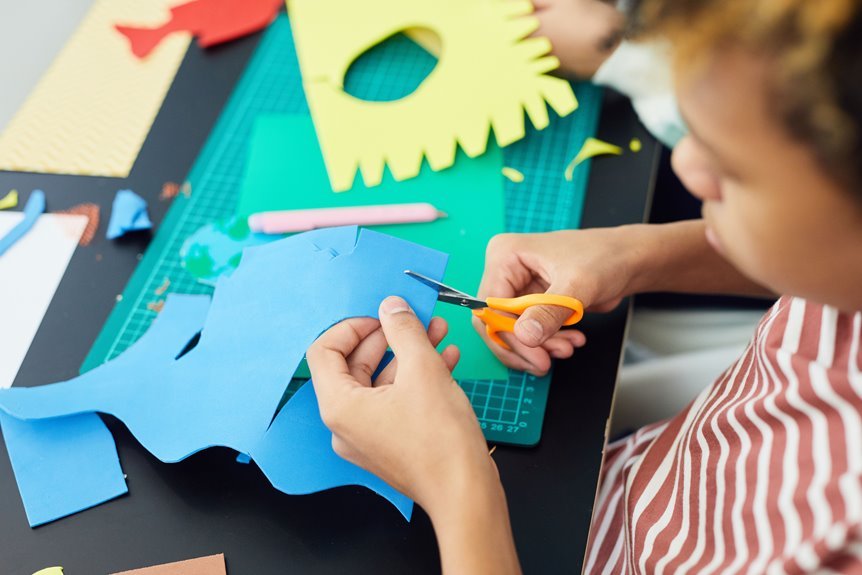
Lookwhatmomfound Lwmfcrafts curates quick, mess-free crafts that fit into busy family life. Projects rely on budget-smart, everyday materials and clear, step-by-step guidance. They emphasize sensory play that sparks curiosity and independent exploration, suited for varied ages and abilities. The approach supports safe, self-directed activity without burnout. For families navigating busy days, this collection offers practical, organized ideas that invite participation—and perhaps the next project will fit just right.
Quick, Mess-Free Craft Ideas for Busy Families
Quick, mess-free craft ideas offer practical solutions for busy families seeking engaging activities without long cleanup. The approach centers on simple materials and efficient steps, enabling immediate participation and minimal waste. Projects emphasize portability, quick setup, and clear objectives. Highlights include quick crafts designed for diverse ages, promoting cooperation and independence. Busy families gain usable, enjoyable outcomes with sustained motivation and freedom to redirect after outcomes.
Budget-Smart Activities Using Everyday Things
Budget-Smart Activities Using Everyday Things focuses on turning common household items into engaging, low-cost projects. The approach emphasizes budget friendly, everyday materials, and a quick clean process, keeping activities family friendly. It supports sensory play and curiosity building, guiding readers step by step with a child led rhythm. Projects prioritize simplicity, safety, and freedom to explore, with clear, actionable instructions.
Sensory Play Projects That Grow Curiosity
Sensory play projects that grow curiosity leverage tactile, visual, and auditory experiences to invite exploration without overwhelming the child. This approach centers on low-prep, open-ended activities that encourage agency, experimentation, and independent thinking.
Through sensory exploration, children build foundational skills while curiosity growth remains the guiding aim, fostering confident inquiry and sustained engagement in everyday materials and environments.
Step-by-Step Tutorials for Little Hands to Lead
Step-by-step tutorials empower young learners to take the lead with confidence, offering clear, tangible guidance that supports independence.
They enable creative collaboration and kid led exploration, presenting concise, practical pathways for projects.
The approach emphasizes ownership, minimal adult direction, and measurable milestones, while maintaining safety.
Frequently Asked Questions
How Do I Adapt Crafts for Infants or Toddlers With Limited Dexterity?
Adaptations for toddlers with limited dexterity involve oversized handles, waxy crayons, and puddle-safe paints. The approach emphasizes safety, simplicity, and choice. Limited dexterity tips include pre-cut shapes, Velcro closures, and supervised, independent exploration.
Which Activities Are Most Kid-Safe for Outdoor-Only Spaces?
Outdoor safety assessment identifies kid-friendly supervision as essential; most actions maximize safety while preserving freedom. For outdoor-only spaces, prioritize low-risk activities, durable surfaces, clear boundaries, and contingency plans, ensuring kid friendly supervision and swift hazard response at all times.
Can These Projects Be Completed Without Any Prep or Tools?
Can prep free ideas and tool free adaptations exist for outdoor projects? Yes, with simple, no-setup actions and readily available materials, children can engage safely while guardians supervise. The approach remains concise, strategic, audience-focused, and freedom-oriented.
Are There Environmentally Friendly Material Alternatives for Each Project?
“Considerations ripple outward.” The answer: Yes; environmentally friendly material alternatives exist for each project, addressing infant adaptation and limited dexterity, guiding choices toward safer, reusable, and accessible options while preserving creativity and audience freedom.
How Can I Involve Reluctant Siblings in the Activities?
Sibling cooperation can be fostered by offering choices, clear roles, and light responsibilities; reluctant participation may rise when goals align with personal interests. Strategies: emphasize autonomy, concise tasks, and visible progress to sustain engagement and positive momentum.
Conclusion
Looking beyond the surface, the theory that simple, family-led crafts boost engagement holds true: when activities are quick, mess-free, and budget-smart, kids lead with curiosity and parents stay empowered. Lookwhatmomfound’s framework proves that accessible materials and clear steps convert everyday moments into meaningful, independent play. The result is a sustainable loop: curious learners, confident caregivers, and a home classroom that fits busy lives—without burnout. In practice, these projects transform ordinary days into deliberate, creative learning experiences.
